

Sool Cellar is Singapore’s first dedicated craft makgeolli distributor, offering one of the widest curated selections of craft makgeolli and takju available to buy online. Sourced directly from independent breweries across Korea, our range spans traditional styles to contemporary craft expressions, all produced without preservatives, artificial flavouring, or colouring.
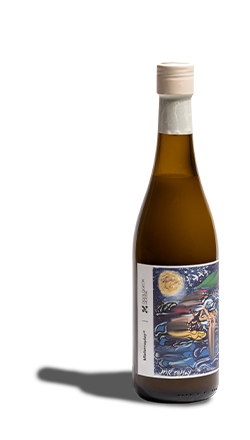
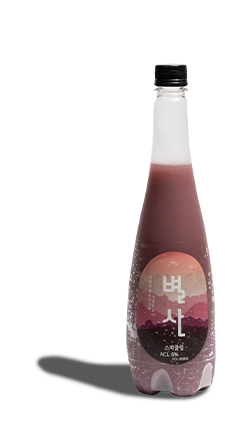
The makgeolli and takju range available on Sool Cellar covers a broader spectrum of styles than most first-time buyers expect.
Yes. All orders are delivered islandwide via end-to-end cold chain to preserve every bottle in the condition the brewer intended. If you would like help selecting the right bottle or putting together a curated selection as a gift, contact us at enquiries@soolcellar.sg and we will assist you.a
Makgeolli is one of Korea’s oldest rice wines, brewed from rice, water, and nuruk, a fermentation starter central to Korean brewing. Unlike filtered rice wines such as yakju and cheongju, makgeolli retains its natural sediment, giving it a milky, opaque appearance and a flavour that can range from lightly effervescent and sweet to earthy and grain-forward. Closely related to takju, the broader category of unfiltered rice wines, makgeolli is typically the lighter, more accessible expression in the family.
The production process is low-intervention by nature. Cooked rice is combined with nuruk and water, then left to ferment over a period of several days to several weeks. Each brewer’s choice of grain, water source, and fermentation method shapes the final flavour, which is why no two breweries produce quite the same drink.
Most makgeolli is brewed from short-grain rice, with brewers selecting between non-glutinous and glutinous varieties depending on the style they are after. ABV typically sits between 5 and 8 per cent for makgeolli, lower than wine and considerably lower than spirits, while takju expressions often sit higher, in the 10 to 15 per cent range, and carry a richer, more concentrated character.
Sparkling makgeolli is a category in its own right. Because traditional makgeolli is unpasteurised and continues to ferment after bottling, many labels carry a soft, lively effervescence that develops naturally in the bottle rather than through forced carbonation. The result is a gently fizzing, fresh expression that opens up on pour and shifts in character over the course of a glass.





 FREE DELIVERY for order from $180