
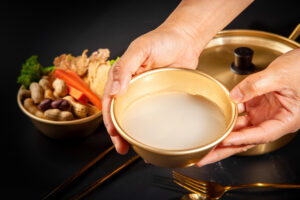

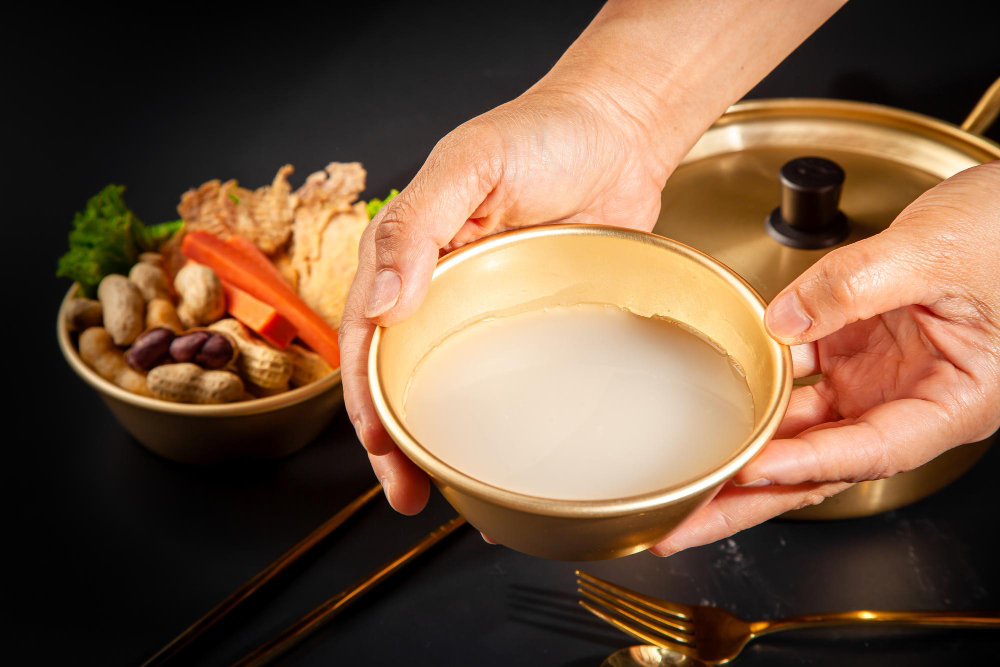
Korean rice wine covers more ground than most drinkers expect. Two bottles from the same family, poured in the same evening, can taste as if they belong to entirely different worlds: one pale and gently sparkling, leading with sweetness and a creamy lightness; the other fuller, earthier, and noticeably drier, with a grain character that lingers well past the first sip. That range is no accident; it is one of the most interesting aspects of the category.
One of the first genuine surprises for anyone arriving at Korean rice wine is how much sweetness varies, not just between yakju, takju, and makgeolli, but within each of those categories as well. A sweeter makgeolli and a drier one from two different breweries can feel like entirely different propositions. The same is true across yakju. That variation exists because sweetness in Korean craft alcohol is built into the drink at the brewery level, not introduced afterward. It is the direct result of how each maker chose to work with their ingredients.
This is a practical guide to that spectrum. By the end, you will have a clearer picture of what shapes sweetness in Korean rice wine, how each category expresses it differently, and how to use that understanding to buy with confidence.
Korean rice wine is not a single drink. It is a family, built around rice, water, and nuruk, the traditional fermentation starter central to Korean brewing, but divided into distinct styles by how each brew is treated after fermentation.
Sweetness exists across all three branches, but it expresses itself differently in each. For a fuller look at how these categories fit within the wider world of Korean brewing, the range of traditional Korean drinks offers a broader picture of the tradition these styles belong to.
The sweetness in Korean craft rice wine is built through fermentation rather than added from a separate source. Every bottle in our portfolio is made without added sugar, artificial sweeteners, or aspartame. What you taste in the glass comes entirely from the rice and, in infused expressions, from the fruit or botanicals brought into the brewing process.
The mechanism is straightforward. When nuruk meets rice and water, it begins to break down the rice’s starches into sugars. Those sugars then feed the yeast, which converts them into alcohol. The further fermentation runs, the more sugar is converted. A brewer who pulls the process earlier or uses a higher rice-to-water ratio preserves more residual sweetness in the finished drink. A longer fermentation, where more sugar becomes alcohol, pushes the result toward dryness.
Rice variety plays its own role. Different cultivars have distinct starch profiles, so the same fermentation approach can yield varying levels of sweetness depending on what the brewer starts with. The choice of nuruk culture matters too, since different strains have different enzymatic characteristics that affect how completely starches are converted across the course of the brew.
Fruit-infused expressions work through a related principle. When fruit is introduced into the brewing process, its natural sugars join the base rice sugars, and the character of both shapes the finished drink. The fruit brings aromatics and depth alongside its sweetness, which is why an infused expression from a given brewer tends to feel layered and nuanced rather than simply sweeter than the original brew.
Every point on the sweetness spectrum is, in other words, a considered decision, one the brewer made deliberately, working with craft ingredients and no shortcuts.
Sweetness in Korean rice wine does not sit on its own in the glass. It sits alongside acidity, body, and, in unfiltered expressions, the natural grain character carried by the sediment. The relationship among those elements determines how a bottle feels.
A sweeter rice wine is not automatically cloying. The natural acidity that develops during fermentation acts as a counterweight, keeping the palate refreshed and giving sweetness somewhere to settle without becoming heavy. A drier bottle holds its own balance through body and texture, particularly in takju and makgeolli, where the natural creaminess makes even a drier character feel smooth rather than sharp.
Among the three categories, makgeolli tends to sit at the most approachable end. It carries the lowest alcohol content in the Korean rice wine family, and its lighter body makes it the easiest entry point, and its sweetness tends to read clearly and gently. Takju carries more weight, so sweetness in that style arrives embedded in richer grain character, warmer and fuller. Yakju holds sweetness more lightly, carrying it through aroma and finish in a register that reads as clean and refined.
Thinking about sweetness alongside body, acidity, and grain character gives a more accurate picture of what a bottle will actually feel like than the sweetness level alone.
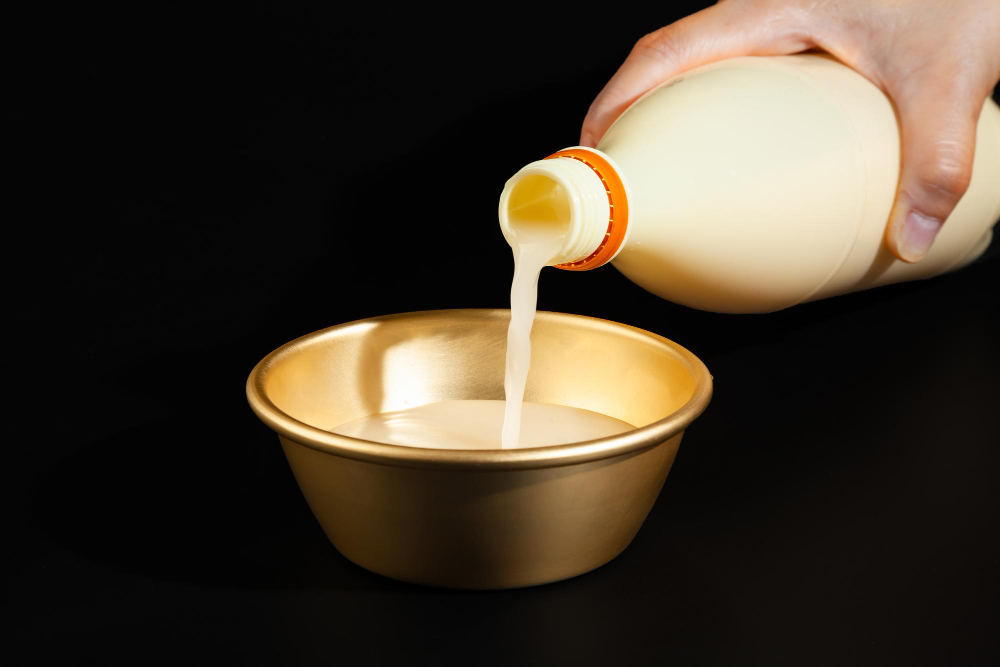
What Korean rice wine tastes like varies considerably depending on which part of the family you are drinking from. Across yakju, takju, and makgeolli, sweetness takes a distinct form in each, and the bottles below are useful reference points for getting a feel for where you land.
Because yakju is filtered, it pours clear. Without the sediment that gives takju and makgeolli their body, sweetness in yakju tends to show through the nose and on the finish rather than as a textural sensation mid-palate. Even a sweeter yakju expression reads elegant rather than heavy.
Punjeong Sagye Yakju is a reliable entry point into the style. Its sweetness is present and welcoming, held in check by clean acidity and a smooth finish that makes it easy to return to across a meal. For drinkers new to yakju, it gives a clear sense of how the filtered category expresses itself.
For those who prefer something drier and more understated, Propose by J&J Brewery sits toward the drier end of the yakju spectrum. Less sweet and more refined, it rewards a slower approach and shows how much depth a clear, delicate style can carry when sweetness is not the primary character.
Sweetness in takju arrives differently. The natural sediment that stays in the bottle gives the drink a creamier, fuller body, so sweetness here is a warmer, rounder sensation, balanced against grain character and a natural tang. The body makes everything feel more substantial.
Jiran Jigyo Takju is a particularly useful reference because it comes in three expressions: original, fig, and chamomile. The original gives a clear read of the brewer’s base character. The fig version introduces natural fruit sweetness layered over the grain, giving the bottle a more complex, fruit-forward quality while keeping the base brew visible beneath it. The chamomile expression is more subtle, with its floral and herbal quality gently shifting the sweetness profile toward something lighter and more delicate.
Batang by Seoul Fermentary takes the takju sweetness into a distinctive register. Its notes of butterscotch and popcorn set it apart within the category, with a warmth that reads almost caramel-like, sitting in a fuller body that makes the overall experience feel rounded and substantial.
Green Isle is brewed with aster herbs harvested from Ulleung Island. That herbal character adds a botanical layer that slightly quietens the sweetness and sits alongside something harder to place than a fruit note, yet just as rewarding to find.
Makgeolli is the most approachable expression in the Korean rice wine family for new drinkers. Its lower alcohol content and lighter body mean its sweetness comes through clearly and gently, often accompanied by a natural carbonation that keeps the palate refreshed and the glass moving.
The range within makgeolli is wider than its accessible reputation suggests, and two bottles from opposite ends of that range can show just how much character the category holds.
Hwabi sits at the grain-forward end. Its roasted-rice character brings notes some drinkers liken to hojicha, with a deeper quality beneath that others describe as coffee-like. The sweetness is present but takes a secondary role to the roasty, savoury complexity of the brew.
Mister Replay is a different kind of makgeolli altogether. Lively and fruit-forward, with a Mojito-like brightness, it shows the category at its most expressive. Sweetness here is more immediately present, carried forward by the brew’s vibrant character rather than sitting quietly in the background.
For naturally sparkling expressions, Byeolsan Odi Berry and Yuja draw on the natural sugars and aromatics of mulberry and yuzu, both of which contribute directly to fermentation rather than being added afterwards. The result is bright, fruit-driven, and gently sweet in a way that reads fresh rather than heavy. Sparkling Basil takes the sparkling format in a more aromatic direction, with a character that bridges the fresh and the floral. Both are good examples of what naturally carbonated Korean rice wine can do when fruit and herbal additions are woven into the brewing process rather than layered on top.
Browsing the Sool Cellar shop, you will find bottles organised by flavour profile: Fruity, Floral, Umami, and Rice & Grain. This is a different dimension from sweetness, but the two are related in useful ways.
As a general guide, fruity and floral bottles often read sweeter. Natural fruit aromatics and floral notes tend to carry a sense of sweetness even when residual sugar levels are relatively restrained, because of how those compounds register on the palate. Umami and rice & grain profiles tend to read drier and more savoury, because the dominant character draws the palate toward grain depth rather than sweetness.
The overlap is real, though. A rice & grain makgeolli can carry warmth and body that reads sweet in a fuller, grain-driven way. A fruity yakju can be precise and light rather than richly sweet. The flavour profile tells you what leads in a bottle; sweetness tells you where that character sits on the palate and how it balances.
Using both together gives a more complete picture when you are browsing the range. Those drawn to sweeter expressions will find fruity and floral profiles a reliable starting point. Those who lean toward drier, more savoury characters will find rice & grain and umami worth exploring first.
Serving temperature and technique both affect how sweetness comes through in the glass, and each category benefits from a slightly different approach.
Like all the Korean rice wine in our range, Yakju should be kept cold throughout, ideally stored below 4 degrees Celsius to preserve its character. Taking the bottle out a few minutes before pouring lets the aromatics settle and open, so the delicate way sweetness reads through the finish comes through more fully.
Takju and makgeolli both benefit from a gentle swirl before pouring. The natural sediment that settles at the bottom holds much of the character, including the body and creaminess that carry sweetness in these styles. Without redistributing it, the first pour from a still bottle can read thinner and drier than the brew actually is. A slow, gentle swirl before opening, rather than a vigorous shake, evenly brings the settled sediment back into the liqud.
Across all three categories, cold is best. Warmth tends to amplify sweetness and can soften the acidity that keeps the palate refreshed, which flattens the balance that makes each style worth drinking slowly. Chilled, the interplay between sweetness, acidity, and body stays lively and defined.
For anyone still finding their footing across the sweetness spectrum, Odem offers the most practical way in. Located in New Bahru, Odem is a Korean craft-alcohol bar that serves Sool Cellar labels by the glass and in flights. Moving through a few different styles in one sitting, whether across the three main categories or from sweet to dry within a single one, gives you a clear read of what you are actually drawn to before committing to a bottle.
Once you know what you enjoy, the full range is available through the Sool Cellar online shop, with islandwide delivery and end-to-end cold chain to keep every bottle in good condition from our cellar to your door.
To start building your range at home, browse our Korean makgeolli collection or check out our selection of Korean liquor in Singapore to find yakju, takju, and makgeolli in one place. For those whose interest extends beyond rice wine, the selection of craft soju in Singapore is a natural next step.
The sweetness in Korean rice wine is a deliberate expression of craft, not a sign of a simpler or lighter drink. From the drier, more refined character of a well-made yakju to the rich, grain-forward body of a premium takju, and through to the gentle, approachable sweetness of a lively makgeolli, the range exists because each brewer made specific choices about how to work with their rice, water, and nuruk.
That range is exactly what makes the category worth exploring. Every bottle sits somewhere on a spectrum that runs from dry and precise to sweet and exuberant, and every point on it reflects genuine brewing decisions. Understanding where a bottle sits, and why, turns each new pour into something worth paying attention to.
We source across that full spectrum, visiting breweries directly and choosing for craft and honest ingredients. Wherever your palate leads, the range is there to explore.
Korean rice wine covers more ground than most drinkers expect. Two bottles from the same family, poured in the same

Craft soju is distilled from real grain. Learn how traditional Korean soju is made, why its ABV varies so widely,
Discover Korean craft alcohol on your own terms. Learn the styles, use your taste preferences, and find your first bottle
 FREE DELIVERY for order from $180